
PES-51 Applications
Tank Cleaning and Industrial Surface Cleaning
Tank cleaning and industrial surface cleaning with PES-51 helps release petroleum contamination from tanks, piping, equipment, loading areas, separators, and other hard surfaces so cleanup can be managed more effectively.
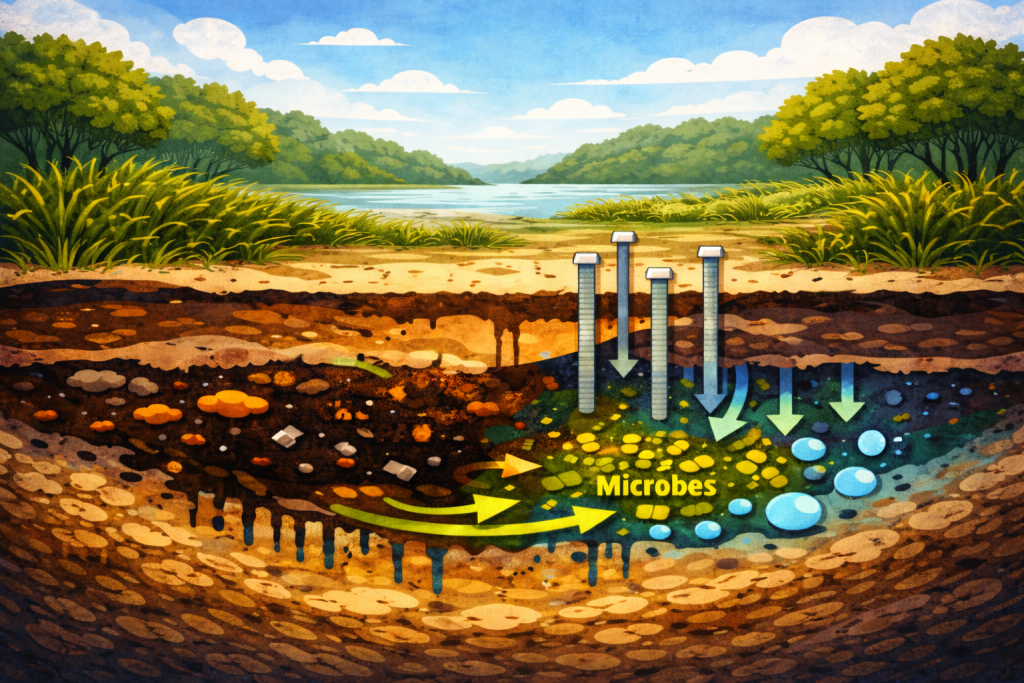
Where PES-51 Fits
PES-51 is used in tank cleaning and industrial surface cleaning where petroleum residue must be removed from hard surfaces, operating equipment, and contaminated work areas. It fits cleanup jobs involving oil-impacted tanks, process areas, transfer systems, maintenance zones, and other industrial surfaces that need to be cleaned without turning the operation into a harder-to-manage cleanup problem.
Why Industrial Hydrocarbon Cleanup Gets Complicated
Industrial cleanup becomes more difficult when petroleum contamination builds up on tanks, piping, separators, concrete, equipment, and loading surfaces. Oil can cling to irregular, weathered, or high-use surfaces, making removal more labor-intensive and increasing the burden on wash water handling, absorbents, and follow-up cleanup. The more contamination spreads across operational assets, the more important it becomes to use a practical cleaning method that fits the site and the surface.
How PES-51 Supports Tank and Surface Cleaning
PES-51 is used to release hydrocarbon contamination from hard industrial surfaces so the residue can be rinsed, flushed, wiped, collected, and managed more effectively. It fits petroleum cleanup work involving tanks, separators, piping, loading racks, maintenance areas, and other solid surfaces where oil must be lifted from the surface as part of a broader cleaning or decontamination workflow.
Industrial Cleanup Workflow Fit
Typical Equipment and Surfaces
PES-51 can be used on tanks, piping, oil/water separators, loading racks, equipment pads, concrete, service bays, maintenance surfaces, ship and barge areas, containment ponds, sumps, and other hard surfaces affected by petroleum contamination.
Application Methods
Depending on the surface, contamination level, and site setup, PES-51 can be applied using hand-held sprayers, airless sprayers, pressure washers, wiping methods, and circulation or flushing methods. Cleanup crews can then rinse or flush the treated surface and collect the released contamination using conventional recovery and cleanup methods appropriate to the job.
Industrial Use Examples
Depending on the surface, contamination level, and site setup, PES-51 can be applied using hand-held sprayers, airless sprayers, pressure washers, wiping methods, and circulation or flushing methods. Cleanup crews can then rinse or flush the treated surface and collect the released contamination using conventional recovery and cleanup methods appropriate to the job.
Supported Tank and Industrial Cleaning Applications
PES-51 fits petroleum cleanup work across industrial sites where hard surfaces and operational assets are exposed to hydrocarbon contamination.
- Tank cleaning
- Oil/water separator cleaning
- Piping and transfer system cleanup
- Loading rack cleanup
- Refinery maintenance and cleaning
- Railroad fueling yard cleanup
- Equipment degreasing
- Parking lot and staging area cleaning
- Ship and barge cleaning
- Containment pond and sump cleaning
Why Operators Evaluate PES-51
- Helps remove petroleum residue from hard industrial surfaces
- Fits both localized cleaning and larger operational cleanup work
- Can be applied through multiple field methods
- Useful on tanks, equipment, piping, and work areas
- Supports practical cleanup across high-use industrial sites
Tank and Industrial Cleaning FAQ
What surfaces can PES-51 be used on in industrial cleanup?
PES-51 can be used on tanks, piping, separators, concrete, loading racks, equipment pads, maintenance surfaces, service bays, ship and barge areas, containment ponds, sumps, and other hard surfaces affected by petroleum contamination.
Is PES-51 only for tank interiors?
No. PES-51 can be used more broadly across petroleum-contaminated hard surfaces, including tanks, transfer systems, loading areas, maintenance zones, equipment, and related industrial work areas.
How is PES-51 applied in industrial cleaning work?
How is PES-51 applied in industrial cleaning work?
Can PES-51 be used for both equipment and surface cleanup?
Yes. PES-51 fits cleanup work involving both oil-impacted equipment and hard industrial surfaces where petroleum residue must be removed and managed effectively.
Review PES-51 Technical Information
Explore technical documents and case histories for additional examples involving tank cleaning, industrial surfaces, and equipment decontamination.