
PES-31 Applications
Hydrocarbon Bioremediation for Soil, Wastewater and Slurries
Hydrocarbon bioremediation for soil wastewater and slurries using PES-31 helps treat petroleum-contaminated media through practical biological remediation methods suited to field conditions.
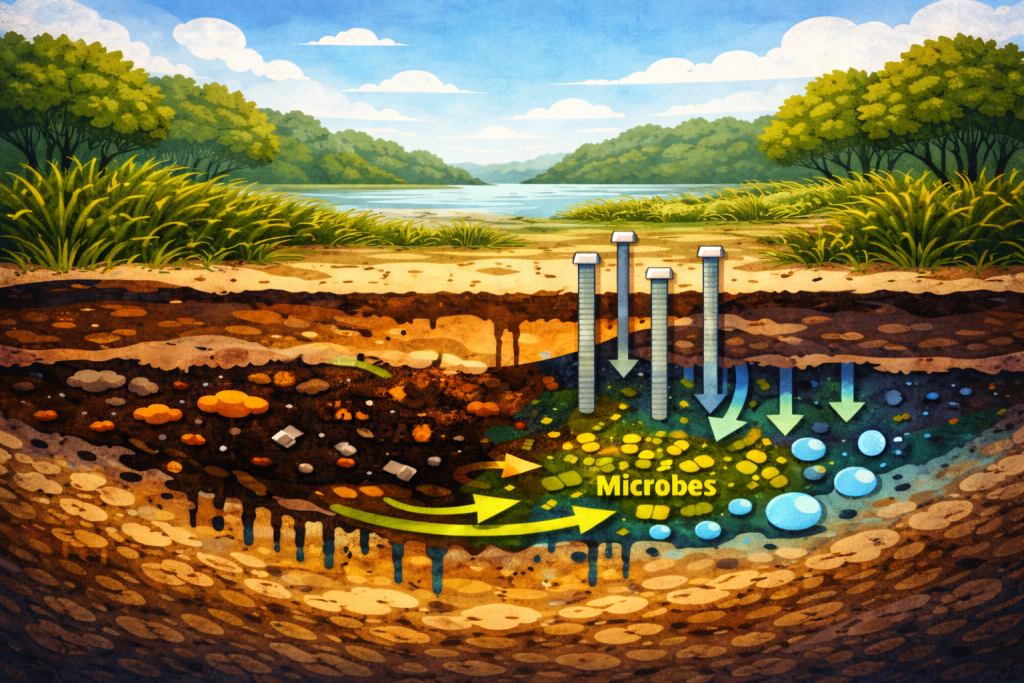
Where PES-31 Fits
PES-31 is used in hydrocarbon bioremediation for soil, wastewater and slurries where petroleum contamination must be treated through biological activity rather than surface cleaning alone. It fits projects involving contaminated media that can be managed in place or through organized treatment programs designed to support ongoing remediation.
Why Mixed Media Remediation Gets Difficult
Petroleum contamination does not always stay in one place or one form. A site may involve impacted soil, oily wastewater, sludge-like material, or slurry conditions that require different handling and treatment approaches. Cleanup becomes more difficult when contamination spans multiple media, when site access is limited, or when treatment has to be managed without creating unnecessary disruption to operations.
How PES-31 Supports Media-Based Bioremediation
PES-31 is used where petroleum-contaminated media must be treated biologically across soil, wastewater, and slurry environments. It fits remediation work where hydrocarbons need to be addressed within the contaminated media itself, using field-ready treatment methods that can be adapted to the conditions of the site and the type of contamination present.
Media Treatment Workflow Fit
Typical Media and Contamination Types
PES-31 can be used in contaminated soil, wastewater, slurries, and related hydrocarbon-impacted media. It fits applications involving diesel, waste oil, crude oil, jet fuel, and other petroleum hydrocarbons where biological treatment is part of the cleanup strategy.
Treatment Conditions That Matter
Successful hydrocarbon bioremediation depends on treatment conditions as much as product selection. PES-31 guidance emphasizes the importance of moisture, oxygen, nutrients, and suitable pH conditions for biological activity. In practical field use, treatment programs may include water addition, nutrient supplementation, mixing, tilling, disking, or other site-specific steps to keep the remediation process moving.
Where This Approach Is Used
PES -31 fits remediation programs involving in-situ soil treatment, treatment wells, landfarming, bioremediation cells, pits, and other managed cleanup environments where petroleum-contaminated media must be treated over time. It is especially relevant when the project calls for a field-applied biological approach rather than simple removal or surface cleaning.
Supported Soil, Wastewater and Slurry Applications
PES-31 fits hydrocarbon bioremediation work across contaminated media that require practical, field-manageable treatment.
- Petroleum-contaminated soil treatment
- Wastewater bioremediation
- Slurry treatment
- In-situ soil bioremediation
- Landfarming and treatment-cell operations
- Pit remediation
- Groundwater-related remediation support
- Diesel-contaminated media treatment
- Waste oil contamination treatment
- Jet fuel contamination treatment
Why Teams Evaluate PES-31 for Mixed Media Cleanup
- Fits multiple contaminated media types
- Supports biological treatment across field conditions
- Useful for both in-place and managed remediation work
- Applicable to petroleum-contaminated soil, wastewater, and slurries
- Well suited to cleanup programs that require ongoing treatment management
Soil, Wastewater and Slurry Bioremediation FAQ
What kinds of media can PES-31 be used in?
PES-31 can be used in petroleum-contaminated soil, wastewater, slurries, and related hydrocarbon-impacted media where bioremediation is the appropriate cleanup method.
Is PES-31 only for soil treatment?
No. PES-31 can be used across multiple media, including soil, wastewater, and slurries, when petroleum contamination must be treated biologically.
What site conditions matter for hydrocarbon bioremediation?
Moisture, oxygen, nutrients, and suitable pH conditions all matter. Treatment programs may also involve mixing, tilling, disking, or nutrient addition depending on the contaminated media and the cleanup setup.
What kinds of petroleum contamination can PES-31 be used on?
PES-31 can be used in applications involving diesel, waste oil, crude oil, jet fuel, and other petroleum hydrocarbons where media-based bioremediation is the right fit.
See In-Situ Soil Applications
If the primary challenge is petroleum-contaminated soil that must be treated in place, continue to the in-situ soil bioremediation page.